The Paper Tiger: Why Trump Is Finally Ready to Pull the Plug on NATO
Let’s start with the phrase. “Paper tiger.” It’s not new. It’s not original. It’s a phrase that has been used for decades to describe military alliances that look impressive on paper but crumble under pressure. Trump has been saying it about NATO for years. He said it in 2018. He said it in 2024. He’s saying it again now.
But this time, the words carry weight. Because this time, the Europeans have shown their hand. This time, they have refused to back the United States and Israel in military operations against Iran. This time, they have made it clear that NATO is not an alliance of equals. It is a one-way street. The United States pays. The United States fights. The United States dies. And the Europeans stand on the sidelines, offering words of support and nothing more.
Spain denied the U.S. use of its airspace and bases. Germany’s defense minister said the conflict is “not our war.” Not our war. The words hang in the air like a betrayal. Iran is not just a threat to the United States and Israel. Iran is a threat to Europe. Iran’s missiles can reach European capitals. Iran’s proxies operate in European cities. Iran’s nuclear program threatens the entire world.
But it is “not their war.” Not until the missiles are flying toward Berlin. Not until the terrorists are walking through Paris. Not until it is too late.
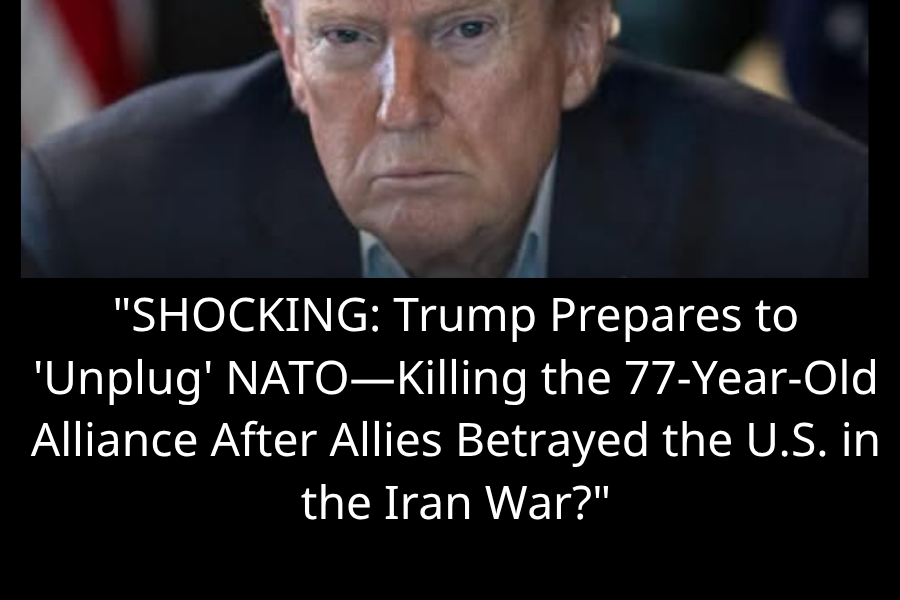
Trump has had enough. He is “strongly considering” withdrawing the U.S. from NATO. He says the issue may be “beyond reconsideration.” He is not bluffing. He has never bluffed about NATO. He has always believed that the alliance is a bad deal for America. And now the Europeans have given him the evidence he needs to make his case.
The One-Way Street
Marco Rubio, the Secretary of State, called NATO a “one-way street.” He is right. The United States has spent decades subsidizing the defense of Europe. Billions of dollars. Thousands of lives. The American taxpayer has funded the security of countries that can’t be bothered to meet their own defense commitments.
Yes, the 2 percent benchmark has been met. All members now spend at least that much on defense. But 2 percent is not enough. It was never enough. It was a political compromise, a number pulled out of the air to make the Europeans look like they were trying. The real number, the number that would actually allow Europe to defend itself without American help, is much higher. By some estimates, it is 5 percent. By others, it is even higher.
And what do the Europeans do with the defense spending they do have? They do not spend it on the things that matter. They do not spend it on the weapons and systems that would allow them to fight alongside the United States. They spend it on pensions. On bureaucracy. On weapons that are designed for peacekeeping, not war-fighting. They have built militaries that are good for parades and terrible for combat.
The restrictions on U.S. military access are the final insult. Spain denies airspace. Germany denies bases. The allies that the United States has spent decades protecting are now blocking American military operations. They are not just freeloaders. They are obstacles. They are making it harder for the United States to defend itself and its allies.
Rubio is right. It is a one-way street. The United States gives. The Europeans take. And when the United States needs something in return, the Europeans say no.
The Allies Who Distanced Themselves
Spain. A country that has benefited from American security guarantees for decades. A country that has spent far less than 2 percent of its GDP on defense for most of its NATO membership. A country that is protected by the American nuclear umbrella. A country that said no to the United States when it asked for access to airspace and bases.
Germany. The economic engine of Europe. A country that has the resources to build a first-class military but has chosen not to. A country that has preferred to lecture the United States about its responsibilities while shirking its own. A country whose defense minister said that the conflict with Iran is “not our war.” Not our war. The words are a confession. They are an admission that Germany does not see itself as a serious military power. They are an admission that Germany is willing to let the United States fight its wars while it stands on the sidelines.
Other allies have been quiet. They have not denied access. They have not said the conflict is not their war. But they have not offered support either. They have waited. They have watched. They have calculated whether it is in their interest to stand with the United States or to distance themselves.
The United States is learning who its real friends are. And the list is shorter than anyone expected.
The British Exception
Keir Starmer, the British Prime Minister, pushed back. He called NATO “the most effective military alliance the world has ever seen.” He is not wrong. NATO has been effective. It deterred the Soviet Union. It kept the peace in Europe for decades. It provided a framework for collective defense that prevented World War III.
But effectiveness is not the same as relevance. An alliance that worked for the Cold War may not work for the world we live in now. The threats have changed. The allies have changed. The United States has changed. NATO has not.
Britain has always been the exception. Britain has always been willing to fight alongside the United States. Britain has always met its defense commitments. Britain has always understood that the alliance is a two-way street. Starmer’s defense of NATO is genuine. He believes in the alliance. He believes it is worth preserving.
But even Britain has its limits. Even Britain has said no to the United States on some issues. Even Britain has chosen its own interests over the interests of the alliance. The special relationship is real, but it is not unconditional.
Trump knows this. He knows that Britain is not the problem. The problem is the rest of Europe. The countries that have benefited from American protection without contributing their fair share. The countries that have built their prosperity on the back of American defense spending. The countries that are now refusing to stand with the United States when it matters most.
The 5 Percent Target
The 2 percent benchmark was always a joke. It was a number that the Europeans could meet without really trying. It was a number that allowed them to claim they were doing their part while continuing to underfund their militaries.
The new target is 5 percent. By 2035, NATO members are expected to spend at least that much on defense. It is a more realistic number. It is the number that would actually allow Europe to defend itself without American help. But it is also a number that most European countries will never meet. They do not have the political will. They do not have the public support. They do not have the economic capacity.
The United States already spends more than 5 percent of its GDP on defense. It has always spent more than its allies. It has always borne the lion’s share of the burden. That is not going to change. Even if every NATO member met the 5 percent target, the United States would still be the dominant military power in the alliance. It would still be the country that does the most, pays the most, and sacrifices the most.
Trump is tired of it. He is tired of subsidizing the defense of countries that do not appreciate it. He is tired of being the world’s policeman. He is tired of fighting wars that benefit others more than they benefit America.
He is ready to pull the plug. And the 5 percent target will not change his mind.
The Iran Precedent
The immediate cause of Trump’s frustration is Iran. The United States and Israel launched military operations against Iran on February 28. They asked for European support. They asked for access to airspace and bases. They asked for a show of solidarity.
They were denied. Spain said no. Germany said the conflict was not its war. Other allies were silent. The United States was left to fight alone, with only Israel by its side.
This is the precedent that matters. This is the moment that will define the future of the alliance. If the Europeans will not support the United States against Iran, what will they support? If they will not stand with America when it is fighting a country that threatens the entire world, when will they stand with America?
Trump is asking these questions. He is not getting good answers. He is getting excuses. He is getting deflections. He is getting the same empty promises that he has been hearing for years.
He is done with it. He is strongly considering pulling the U.S. out of NATO. He says the issue may be beyond reconsideration. He is not bluffing. He is not negotiating. He is stating a fact.
The Europeans have made their choice. Now Trump will make his.
The Last Word
NATO is 77 years old. It was founded in a different world. A world where Europe was recovering from war. A world where the Soviet Union was a existential threat. A world where the United States was the undisputed leader of the free world.
That world is gone. The Soviet Union is gone. Europe is prosperous and powerful. The threats have changed. The alliances have shifted. The United States has new priorities and new enemies.
Trump is asking whether NATO still serves American interests. He is asking whether the alliance is worth the cost. He is asking whether the Europeans are still allies or whether they have become something else.
The answer, based on their behavior during the Iran operations, is not encouraging. Spain denied access. Germany said it was not their war. The other allies were silent. The United States was left to fight alone.
Trump is strongly considering pulling the U.S. out of NATO. He is not bluffing. He has been thinking about this for years. The Iran operations may have been the final straw.
The Europeans have a choice. They can change their behavior. They can start treating the alliance as a two-way street. They can start standing with the United States when it matters. Or they can watch the United States walk away.
Trump has made his position clear. He is strongly considering withdrawal. The issue may be beyond reconsideration.
The ball is in Europe’s court. What they do next will determine the future of the alliance. And the future of the free world.