The Art of the Insult: Trump Rewrites the Rules of Alliance
The Shot Heard ‘Round the Special Relationship
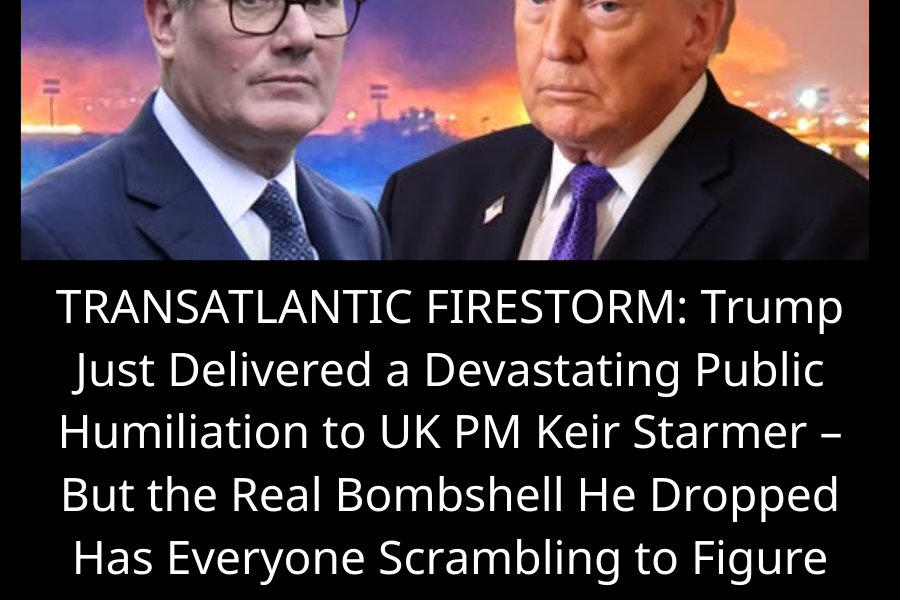
Let’s sit with the image for a moment. Two aircraft carriers—massive, floating cities of military power—being readied for deployment. The United Kingdom, America’s “once Great Ally,” preparing to project force into the Middle East. And the President of the United States, instead of welcoming the support, responds with a public dismissal so sharp it could cut through steel.
“That’s OK, Prime Minister Starmer, we don’t need them any longer — But we will remember. We don’t need people that join Wars after we’ve already won!”
It’s vintage Trump: the capitalization, the possessive pronoun (“we”), the schoolyard taunt (“But we will remember”), and the fundamental reframing of alliance as transaction. In 280 characters, he manages to insult a longstanding ally, dismiss their military contribution, and rewrite the entire history of the conflict.
The “Great Beratin'” isn’t just a diplomatic incident. It’s a window into the Trumpian worldview where loyalty is measured by timing, where victory is a zero-sum game, and where even allies are judged by whether they were “with us” at the precise moment we needed them.
Deconstructing the Diss: What Trump Actually Said
Let’s break down the layers of this rhetorical grenade:
“The United Kingdom, our once Great Ally, maybe the Greatest of them all…”
This is the setup—the compliment before the kill. By acknowledging Britain’s historical greatness, Trump establishes credibility. He’s not some random critic; he’s someone who recognizes what the UK used to be. This makes the subsequent dismissal more devastating. It’s the difference between a stranger calling you useless and your former best friend saying you’ve changed.
“…is finally giving serious thought to sending two aircraft carriers to the Middle East.”
The key word is “finally.” It implies tardiness, hesitation, a failure of timely commitment. In Trump’s framework, showing up late isn’t just unhelpful—it’s almost worse than not showing up at all. It suggests you were waiting to see which way the wind was blowing before committing.
“That’s OK, Prime Minister Starmer, we don’t need them any longer — But we will remember.”
This is pure psychological warfare. “We don’t need them” is the dismissal. “But we will remember” is the threat. It’s the equivalent of a mob boss saying “No hard feelings” while writing your name in a little black book. The message: You failed the loyalty test, and there will be consequences.
“We don’t need people that join Wars after we’ve already won!”
This is the philosophical core. For Trump, alliance isn’t about shared values or long-term strategic partnership. It’s about being on the winning side at the decisive moment. Latecomers are not allies; they’re opportunists. And opportunists are to be remembered, not rewarded.
The Historical Irony: Who Actually “Won” What?
The subtext here is the unspoken history of American-British military cooperation. From the Revolution (where Britain was the enemy) to both World Wars (where Britain was America’s most critical ally), the “special relationship” has been defined by shared sacrifice, not transactional timing.
But Trump’s dismissal touches on a deeper nerve: the perception that European allies have long relied on American military power while contributing less than their share. This has been a consistent Trump theme, from NATO funding disputes to his criticism of allies who “take advantage” of American generosity.
In this framing, Britain’s late-arriving carriers are just the latest example of a pattern: allies who talk big but show up late, who benefit from American victory without sharing the early risks.
The Diplomatic Fallout: What Happens When the President Insults an Ally
In a normal administration, such a statement would trigger a full-scale diplomatic crisis. Ambassadors would be summoned. Phone calls would be made. Reassurances would be issued.
In the Trump era, it’s just Thursday.
But the damage is real, even if it’s subtle:
1. The Erosion of Trust: Allies need to know they can count on the United States. When the President publicly humiliates a longtime partner for a gesture of support, every other ally takes note. If that’s how you treat Britain, how will you treat us?
2. The Emboldening of Adversaries: China, Russia, Iran—they all watch these exchanges. A President who dismisses his own allies is a President who projects isolationism. And isolationism, to an adversary, looks like opportunity.
3. The Domestic Political Angle: Trump’s base loves this stuff. It’s the “America First” doctrine in action—kicking the freeloaders, standing up to the globalists, refusing to play the old diplomatic games. The “Great Beratin'” will be replayed at rallies for months.
4. The Starmer Dilemma: Keir Starmer, the UK Prime Minister, now faces an impossible choice. Respond forcefully and risk escalating the conflict? Stay silent and appear weak? Try to smooth things over and look like he’s begging for Trump’s approval? There’s no good option when the President of the United States decides you’re the villain of the day.
The Deeper Question: What Does “Winning” Mean?
Trump’s final line—”join Wars after we’ve already won”—raises a profound question: Is the war actually won?
In the Middle East, where American forces have been engaged for over two decades, “victory” is a notoriously slippery concept. Did we win in Iraq? In Afghanistan? In the fight against ISIS? By Trump’s standards, maybe. But ask the families of the soldiers still stationed there, or the diplomats still negotiating, or the intelligence analysts still tracking threats—they might have a different definition.
The British carriers, if deployed, wouldn’t be coming to celebrate a victory. They’d be coming to help maintain stability, deter aggression, and protect shared interests. That’s what allies do. They show up not just for the battle, but for the long, tedious work of keeping the peace afterward.
Trump’s framing reduces complex military strategy to a high school football game: you’re either on the field when the winning touchdown is scored, or you’re a loser. There’s no room for the reality of coalition warfare, where different nations contribute different capabilities at different times, all toward a shared objective.
The Verdict: A Masterclass in Transactional Diplomacy
Love him or hate him, Trump has fundamentally rewritten the rules of American foreign policy. The old model—based on shared values, long-term alliances, and patient diplomacy—is gone. In its place is a transactional framework where every relationship is judged by immediate utility, where loyalty is measured by timing, and where even the “Greatest Ally” can be dismissed with a tweet.
The “Great Beratin'” is more than an insult to Keir Starmer. It’s a message to the world: America is no longer the reliable partner you once knew. We are now a nation that keeps score, that remembers slights, and that values only those who were with us at the exact moment we needed them.
Whether that’s strength or weakness depends on your perspective. But one thing is certain: the special relationship just got a lot less special. And the allies watching from the sidelines—the ones wondering if they’ll be next—are taking notes.
In Trump’s world, you’re either early, or you’re irrelevant. The British carriers, it seems, arrived just in time to be dismissed.