The Reparations Demand: Summer Lee’s Call for a Reckoning
Let’s start with the framing.
“We must fight the white supremacy rampant in our country, against the rising authoritarianism, and not allow anyone to deny Black folks the ability to survive and to thrive.”
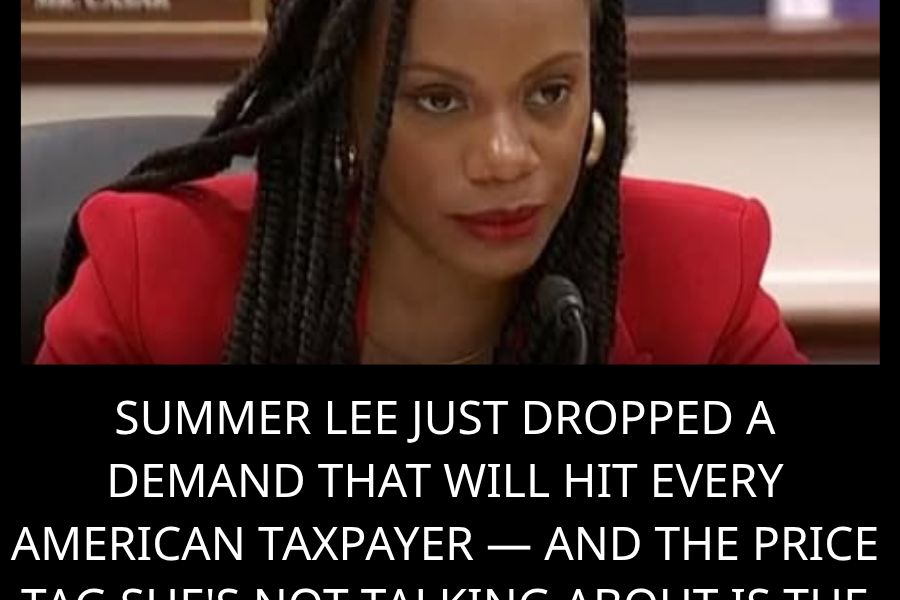
Summer Lee is not asking. She is not suggesting. She is not proposing a conversation. She is demanding. She is telling Americans that they have a moral obligation. That the country has a debt. That the debt must be paid. Not with apologies. Not with acknowledgments. Not with symbolic gestures. With money. With resources. With a transfer of wealth from those who have to those who have been wronged.
She is not the first to make this demand. She will not be the last. The movement for reparations has been growing for years. It has moved from the fringes to the mainstream. It has been endorsed by presidential candidates, by members of Congress, by activists, by scholars. It is no longer a question of whether reparations are justified. It is a question of how much, to whom, and when.
Lee is clear about the why. White supremacy. Authoritarianism. The denial of the ability to survive and thrive. She is saying that the legacy of slavery, of Jim Crow, of systemic racism, continues to harm Black Americans. That the harm is not abstract. It is measurable. It is visible in the wealth gap, the income gap, the education gap, the health gap, the incarceration gap. It is visible in every statistic that compares Black Americans to white Americans.
She is saying that the country cannot move forward until it addresses this legacy. That apologies are not enough. That symbolism is not enough. That the time for talk is over. That the time for action is now.
The critics will say that reparations are impossible. That the logistics are insurmountable. That the cost is prohibitive. That the people who would be asked to pay are not the people who committed the crimes. That the people who would receive the payments are not the people who suffered the harms. That the whole idea is impractical, divisive, and unfair.
Lee does not care about the critics. She cares about the principle. She cares about the debt. She cares about the demand.
The Debt
The debt is real. It is not a metaphor. It is not a political slogan. It is the accumulated result of centuries of exploitation, discrimination, and violence. Slavery alone represents trillions of dollars in stolen labor. The generations that followed represent trillions more in stolen opportunity, stolen wealth, stolen potential.
The debt has never been paid. Not after the Civil War. Not after Reconstruction. Not after the civil rights movement. Not after any of the moments when the country promised to make things right. The promises were broken. The debt was ignored. The harm continued.
Summer Lee is saying that the time for ignoring the debt is over. That the country must finally reckon with what it owes. That the reckoning must be material. That the debt must be paid.
The critics say that the people who would pay the debt are not the people who incurred it. That today’s white Americans are not responsible for the sins of their ancestors. That it is unfair to ask them to pay for crimes they did not commit.
Lee would say that the benefits of those crimes continue to accrue. That white Americans today benefit from the wealth, the opportunity, the infrastructure that was built on the backs of enslaved people. That the legacy of discrimination continues to advantage white Americans and disadvantage Black Americans. That the debt is not just historical. It is ongoing. And those who benefit from the ongoing harm have a responsibility to address it.
The critics are not convinced. Lee does not expect them to be. She is not speaking to them. She is speaking to the people who already agree. She is speaking to the movement. She is speaking to the future.
The Demand
Lee is not just talking about reparations. She is talking about survival. She is talking about the ability to thrive. She is saying that Black Americans are being denied the basic necessities of life. That the denial is not accidental. It is structural. It is systemic. It is the result of white supremacy and authoritarianism.
She is demanding that the country fight these forces. That it not allow anyone to deny Black folks the ability to survive and to thrive. That it use the power of the government to redress the harms of the past and to prevent the harms of the future.
The demand is radical. It is also simple. It is saying that Black lives matter. That Black survival matters. That Black thriving matters. That the country has a responsibility to ensure that all of its citizens can survive and thrive, not just some.
The critics say that the demand is divisive. That it pits Americans against each other. That it focuses on race rather than class. That it ignores the many Black Americans who are already thriving. That it assumes that all Black Americans are victims and all white Americans are oppressors.
Lee would say that the division already exists. That the country is already divided by race. That pretending otherwise does not make it go away. That the only way to heal the division is to address its causes. That reparations are not the cause of the division. They are the cure.
The critics are not convinced. Lee does not expect them to be. She is not speaking to them. She is speaking to the people who already agree. She is speaking to the movement. She is speaking to the future.
The Fight
Lee says we must fight white supremacy. We must fight authoritarianism. We must fight anyone who denies Black folks the ability to survive and thrive.
The fight is not metaphorical. It is not rhetorical. It is not about words. It is about power. It is about resources. It is about policies. It is about laws. It is about the distribution of wealth, opportunity, and justice.
The fight will be long. It will be hard. It will be opposed by powerful forces. The people who benefit from the current system will not give up their advantages willingly. They will fight back. They will use every tool at their disposal to maintain the status quo.
Lee is not naive. She knows the fight will be difficult. She is not asking for permission. She is not waiting for the oppressors to see the light. She is organizing. She is mobilizing. She is demanding.
The critics say the fight is unwinnable. That reparations will never happen. That the country will never agree. That the movement is doomed to fail.
Lee does not care about the critics. She cares about the fight. She cares about the principle. She cares about the future.
The fight is not about whether reparations will happen tomorrow. It is about whether they will ever happen. It is about whether the country will ever reckon with its past. It is about whether the debt will ever be paid.
Lee is fighting for that future. She is fighting for the possibility. She is fighting for the principle. She is fighting for the demand.
The Last Word
Summer Lee demands that you pay reparations to Black Americans. She says we must fight white supremacy, fight authoritarianism, and not allow anyone to deny Black folks the ability to survive and thrive.
The demand is radical. It is controversial. It is divisive. It is also rooted in a real history, a real debt, a real harm. The country has never paid for slavery. It has never paid for Jim Crow. It has never paid for the centuries of exploitation, discrimination, and violence.
Lee is saying that the time for not paying is over. That the debt must be addressed. That the harm must be redressed. That the country cannot move forward until it looks backward and makes things right.
The critics will resist. They will argue that reparations are impractical, unfair, divisive. They will say that the people who would pay are not the people who committed the crimes. That the people who would receive are not the people who suffered the harms. That the whole idea is a fantasy.
Lee does not care about the critics. She cares about the principle. She cares about the debt. She cares about the demand.
The demand is not going away. The movement is growing. The fight is continuing. Summer Lee is one of many voices calling for a reckoning. She will not be the last.
The question is not whether reparations will happen. The question is when. The question is how. The question is whether the country will continue to ignore the debt or finally find the courage to pay it.
Summer Lee has made her choice. She is fighting. She is demanding. She is not backing down.
The rest of us must make our own choice. We can ignore the debt. We can pretend that the past is past. We can hope that the problem will solve itself. Or we can listen. We can learn. We can act.
The choice is ours. The debt is real. The demand is clear.
Summer Lee is watching. The movement is watching. History is watching.
What will we do?