The Mirage of Motherhood: How Meghan Markle’s Pregnancy Stories Undermine Her Last Remaining Facade
Let’s be clear: in the court of public opinion, Meghan Markle has always been the master of the narrative. She built a global brand on a foundation of compelling, emotionally-charged stories—the biracial outsider, the victimized royal, the modern mother forging her own path. But what happens when the most fundamental of these narratives, the sacred story of motherhood, begins to show cracks so wide they defy basic biology?
The latest chapter is so audacious it would be laughable if it weren’t so insulting. The Duchess is now peddling a tale of her pregnancy that has obstetricians blinking in disbelief. She claims she gained a staggering 65 pounds. Yet, according to her, this substantial weight—enough to classify as a high-risk health concern—miraculously deposited itself *exclusively* in her belly. Not in her face, her ankles, or her thighs. Just a perfectly spherical, photoshoot-ready bump, all while she was apparently navigating her third trimester in five-inch stilettos.
:max_bytes(150000):strip_icc():focal(997x153:999x155)/harry-and-meghan-netflix-docuseries-main-split-021925-e81d4613903a46f3b1c4a7fcc72cfb1c.jpg)
This isn’t just a minor exaggeration; it’s a biological impossibility. As any OB-GYN will tell you, pregnancy weight is a distributed load. It includes the baby, the placenta, amniotic fluid, increased blood volume (about 4 pounds), breast tissue (2 pounds), and crucial maternal fat stores (7-8 pounds) needed for lactation. A gain of 65 pounds, especially on a petite frame, would be a systemic event. There would be swelling, fluid retention, and a visible change in the entire body. The image Meghan sells—of a woman with a giant, isolated belly and otherwise unchanged, slender limbs—is a physiological fantasy.
:max_bytes(150000):strip_icc():focal(775x263:777x265)/prince-harry-meghan-markle-sussex-holiday-card9-121624-c887b2939991494a940a78c43fbbff6d.jpg)
This isn’t merely about calling out a tall tale. It’s about pattern recognition. This story is part of a larger, deeply unsettling mosaic of secrecy and contradiction surrounding her children:
The Phantom Birth Certificates: For Lilibet, no official certificate has been publicly released by the Sussexes. The only one that surfaced was obtained by the press through opaque channels. For Archie, the certificate was initially filed without Meghan’s royal title, a move later spun as a conscious choice, yet it created confusion and drama where none was needed. In an era where transparency is demanded of public figures, why is the most basic documentation of their children’s existence treated like a state secret?
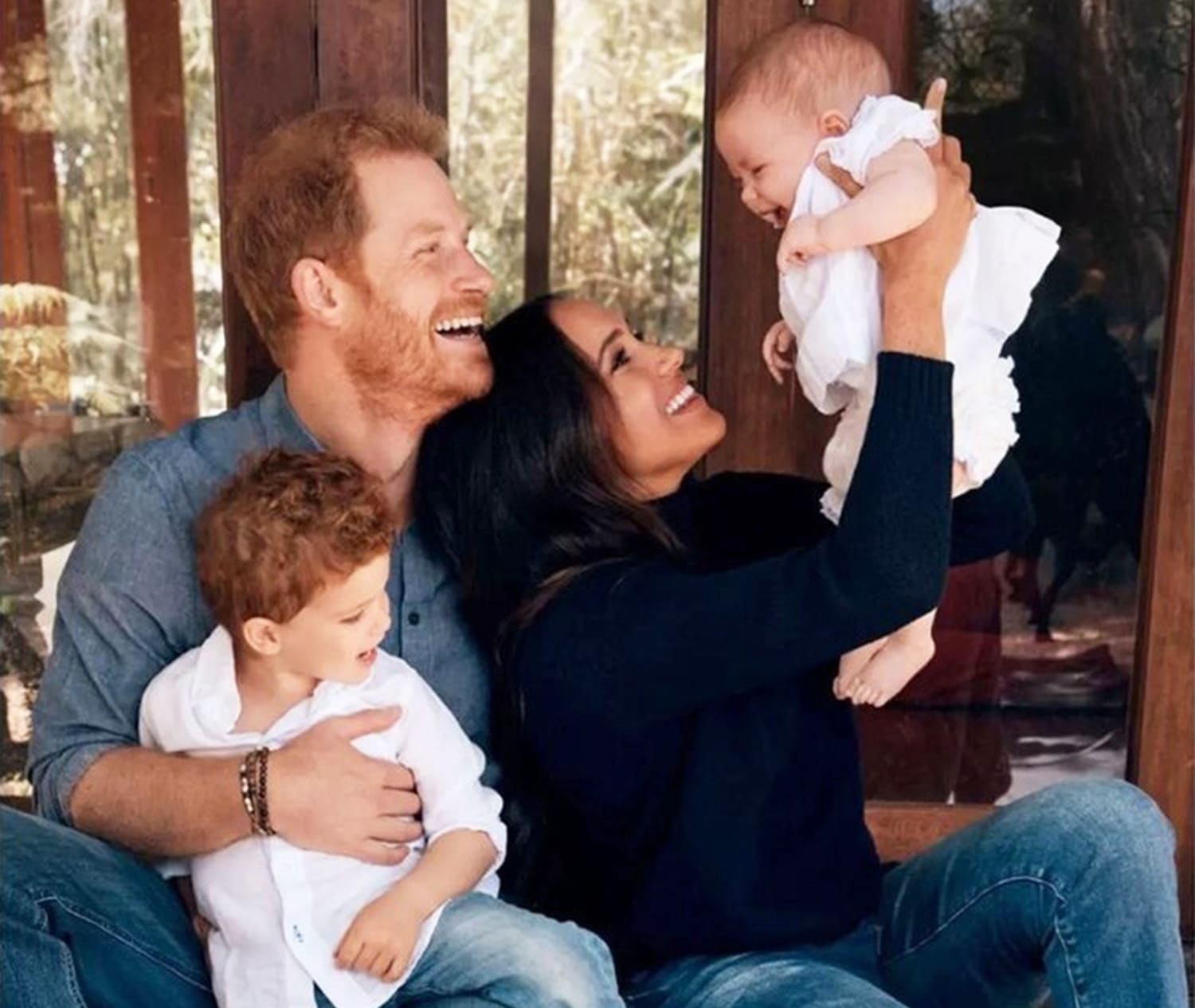
The Invisible Children: Meghan frequently invokes her role as a mother to bolster her image as a relatable, empathetic figure. Yet, her children are conspicuously absent from her public life in a way that feels less like protection and more like erasure. Where are the school runs? The casual outings? The authentic, un-staged moments of motherhood she claims to champion?
The Vanishing Doctor: The physician reportedly involved in Lilibet’s birth has since disappeared from public view, offering no interviews or comments. This is a stark departure from the norm for high-profile births, where medical teams are often proud participants in a historic event. The silence is deafening and raises more questions than it answers.
When you combine the medically dubious pregnancy story with the eerie secrecy surrounding the births themselves, a troubling question emerges: why is the most natural human experience—creating a family—shrouded in such a thick layer of implausible anecdotes and logistical obscurity?
The answer lies in the core of the Sussex brand: control. Meghan cannot control the biological realities of pregnancy, but she can control the story. She can’t control public scrutiny, but she can control the paperwork (or lack thereof). In the absence of verifiable facts, the narrative is all that remains. And the narrative she is crafting is one of exceptionalism—a mother so unique, so different, that even her body defies the laws of nature.
But this strategy is backfiring spectacularly. By claiming a pregnancy experience that is alien to millions of women, she is not building connection; she is building a wall. Real mothers, who experienced swollen feet, aching backs, and bodies that changed in unpredictable ways, see her story for what it is: a fiction that insults their intelligence and their lived reality.
The final pillar of the Meghan Markle persona—the devoted, authentic mother—is now shaking. The victim narrative is tired. The royal rebel act is wearing thin. If the story of her own motherhood, the one thing that should be unassailably real, is also built on a foundation of carefully constructed illusions, then what is left? She is becoming a brand in search of a product, a storyteller whose greatest tale is proving to be her own biography. And as the doctors step forward and the questions multiply, the curtain is finally being pulled back, revealing not a visionary, but a master illusionist whose greatest trick is starting to fail.