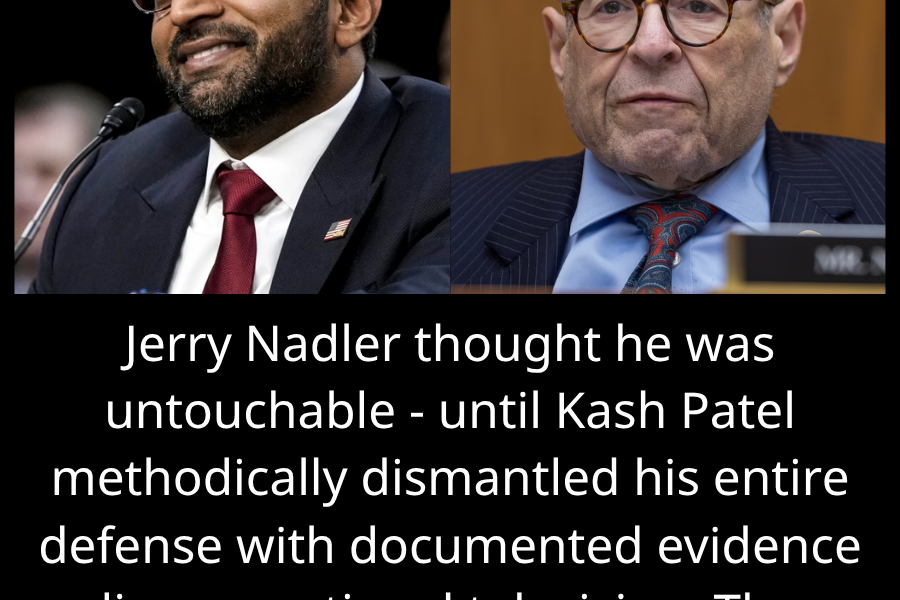
Jerry Nadler’s Reckoning: FBI Referral Shatters the Illusion of Oversight
Washington, D.C. — The House Judiciary Committee chamber was silent, not with peace, but with the pressure of long-avoided accountability. Congressman Jerry Nadler, once the architect of partisan oversight, faced the music not as the inquisitor, but as the investigated.
The Evidence Mounts
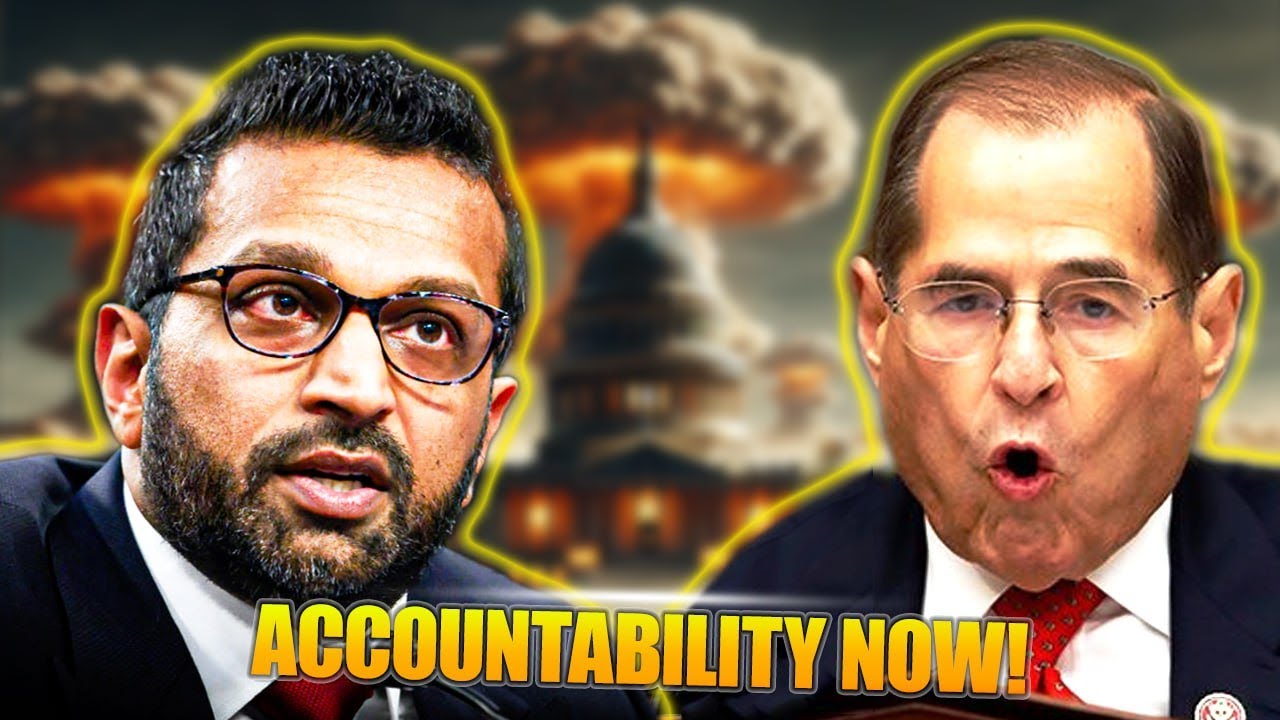
FBI Director Cash Patel presented a thick folder stamped “Oversight, Suppression, and Political Weaponization: Subject—Rep. Gerald Nadler.” Patel’s calm delivery belied the gravity of the evidence:
43 subpoenas issued under Nadler’s leadership, 42 aimed at Republicans, zero at Democrats.
Suppressed internal memos and audits, contracts routed to Democrat-aligned firms, and public funds repurposed for political
Patel exposed Nadler’s selective use of oversight, revealing a system weaponized to protect allies and punish opposition. “You didn’t just break trust. You rewrote the rules so you’d never be held to them,” Patel said.
The hearing ended with Patel submitting a formal criminal referral to the Department of Justice, citing:
Misuse of public funds
Suppression of whistleblower testimony
The Collapse of a Narrative
A Legacy Unraveled
Nadler’s final statements were defensive and hollow. The man who once wielded the gavel with confidence now faced the consequences of years spent weaponizing oversight for partisan ends. The system he used to protect himself finally turned against him—not with outrage, but with process.