The Crown and The Calculated Gambit: Decoding Charles’ “Unprecedented” Move
Let’s be clear from the outset: nothing in the gilded corridors of Buckingham Palace happens by accident. Every smile is a communiqué, every silence a strategic retreat, and every “leaked” detail from a “palace insider” is a shot fired in a war waged with whispers and teacups.
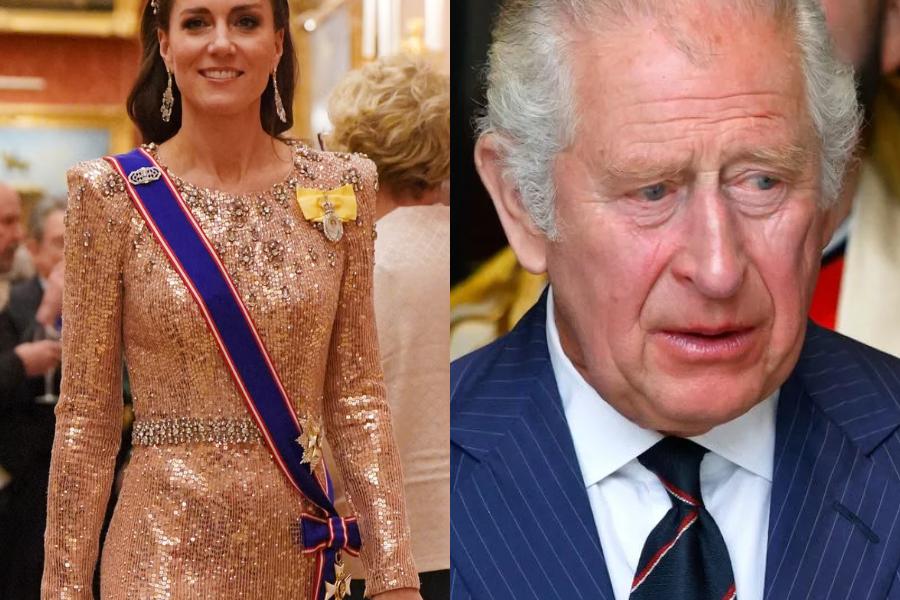
So when headlines scream about King Charles granting Princess Catherine a “privilege never seen before,” and Queen Camilla reportedly storming out in a fury, we are not watching a spontaneous family drama. We are witnessing a meticulously staged piece of political theatre. The question is, who is the director, and what is the real play?

The “Official” Story: A Reward for the Crown Jewel
On the surface, the narrative is compelling. The King, in his wisdom, bestows upon the impeccably popular Princess of Wales a new, symbolic role. She can now act as his personal representative in select state matters—a function traditionally, we’re told, reserved for a Queen.
The logical analysis is simple: Catherine is the monarchy’s greatest asset. Her approval ratings are stellar, her public persona flawless. In an institution desperate for relevance, she is relevance personified. From a cold, strategic standpoint, empowering her is a masterstroke. It’s King Charles investing in the future, shoring up the monarchy’s most stable pillar against the storms that undoubtedly lie ahead.
And Camilla’s alleged fury? The storyteller in me loves it. The image of the Queen Consort, a woman who has fought her own decades-long battle for acceptance, rising in silent, seething protest… it’s Shakespearean. It fits the “two queens, one crown” narrative the media has been hungry to write since the day Charles took the throne.
:max_bytes(150000):strip_icc():focal(749x0:751x2)/prince-william-kate-middleton-state-banquet-1-100125-7e9da5c63dcc419493fc84b2b0474bd4.jpg)
But let’s put on our conspiracy theorist hats for a moment. Is it all a little too perfect?
The Counter-Narrative: A Masterclass in Misdirection
Consider the timing. The monarchy, like all ancient institutions, is perpetually navigating a river of scandals, from the lingering shadows of Prince Andrew to the vocal anti-monarchist sentiment. What better way to dominate the news cycle than with a tale of royal intrigue that has everything? Power, jealousy, a beloved princess, and a slighted queen.
What if Camilla’s “storm out” was not a reaction of pure emotion, but a pre-arranged exit? A piece of performance art designed to add credibility and drama to the King’s “unprecedented” decision? By playing the “villain,” she absorbs the shock and criticism, allowing Catherine’s grace to shine even brighter. Catherine’s perfectly poised response—”Service will always mean putting the Crown before oneself”—wasn’t just a soundbite; it was the moral of the story, delivered on cue.
This manufactured tension serves multiple purposes. It makes Charles look like a bold, modernizing force. It solidifies Catherine’s position as the undeniable future. And it gives the press a storyline to chew on for months, distracting from less savory topics.
The Unspoken Truth: The Ghost in the Room
But there is a deeper, more profound truth that no palace insider will ever utter aloud. This move isn’t just about Catherine and Camilla. It’s about the ghost of Princess Diana.

For decades, the narrative was of the outsider, the commoner, the vibrant spirit crushed by the cold, unyielding machinery of the Palace. Now, Charles has taken Diana’s son’s wife—a woman who often draws comparisons to his first wife in her public affection—and is placing her at the very heart of the institution. He is not just granting Catherine a privilege; he is attempting, in a way, to finally integrate the “Diana factor” into the monarchy’s core. He is trying to heal a wound that has festered for a generation by making her successor the living, breathing heart of his new Carolean era.

Is it a genuine act of reconciliation? Or the ultimate co-opting of a legacy that once threatened to destroy him? The truth likely lies somewhere in the murky middle.
The Bottom Line
Don’t be fooled by the tears and the tantrums, real or imagined. This is not a soap opera. It is statecraft. King Charles, the lifelong apprentice to the throne, is playing a long and calculated game. He is leveraging his family like pieces on a chessboard, sacrificing short-term harmony for long-term stability.
The real story isn’t that Camilla stormed out. The real story is that King Charles, in one bold move, has anointed his successor’s successor, reshuffled the deck of public perception, and written a new chapter for the monarchy—all while the world was busy watching a door slam.
The silence after Camilla left didn’t just echo; it was the sound of a narrative being set in stone. And you can bet it was a silence everyone in that room had already heard in rehearsal.