When the Military Becomes a Campaign Prop: Inside the Fort Bragg MAGA Hat Scandal
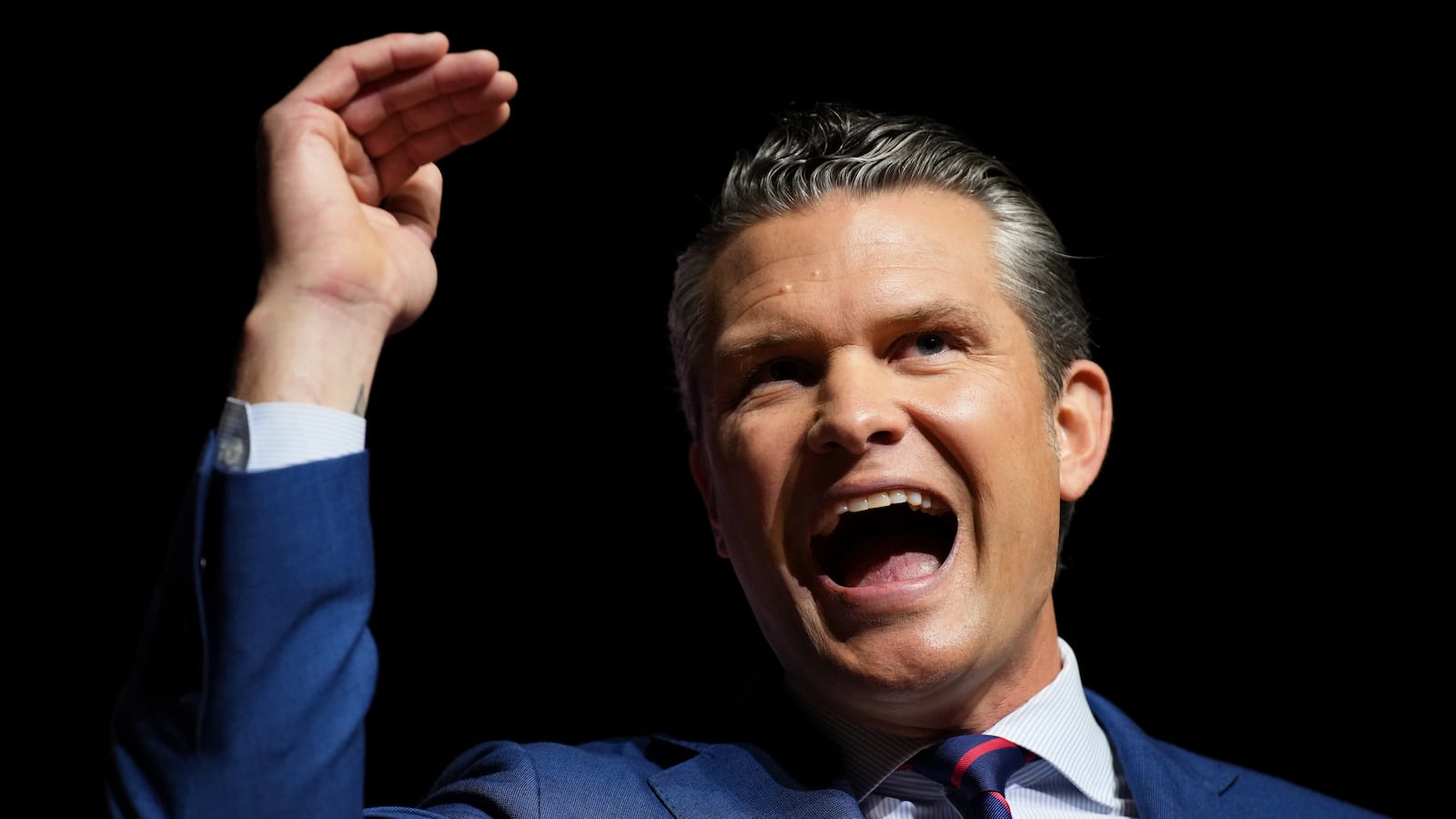
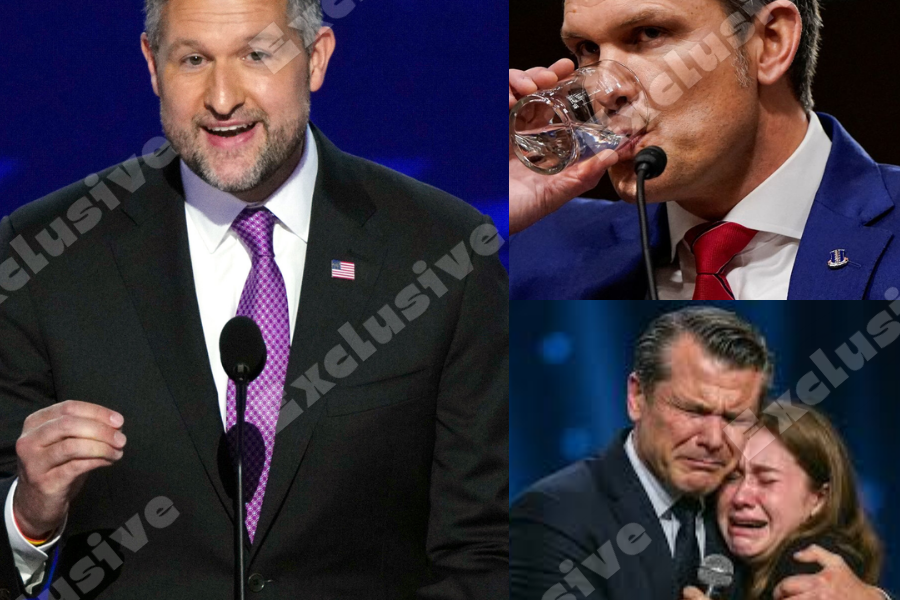
It was supposed to be a routine oversight hearing — the kind that rarely makes headlines. But what unfolded between Congressman Pat Ryan and Secretary of Defense Pete Hegseth quickly turned into one of the most alarming moments in recent U.S. civil-military relations. It wasn’t just about a hat. It was about a dangerous question: Is America’s military being quietly politicized from the inside?
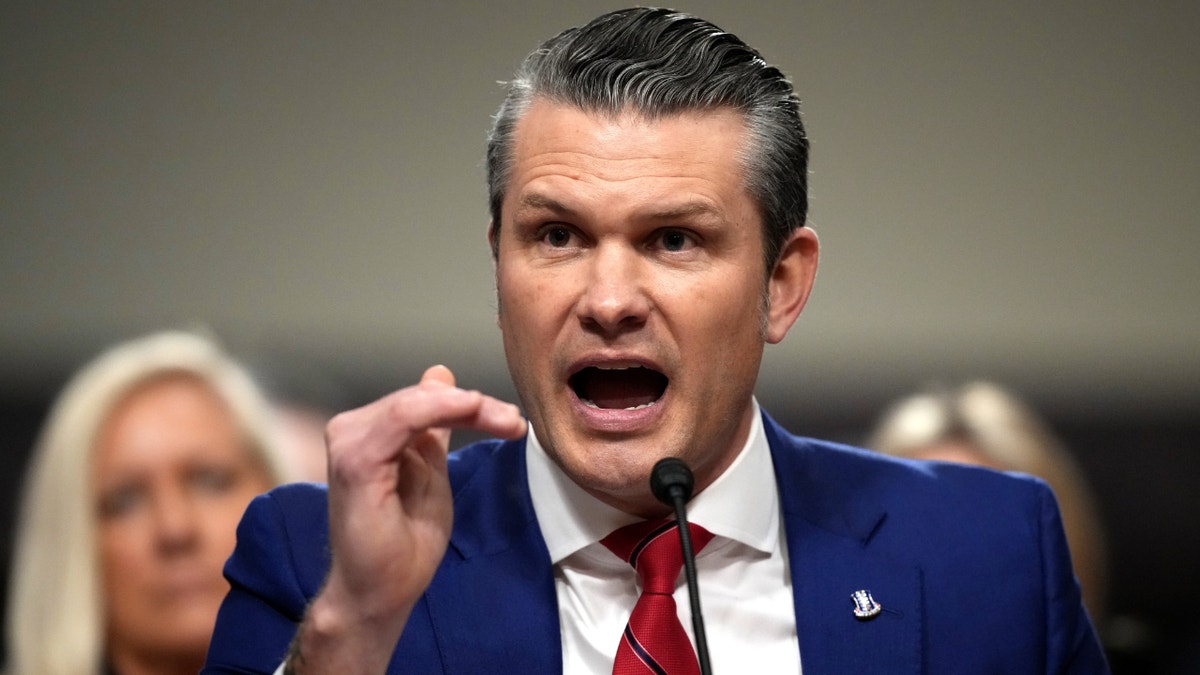
During the exchange, Ryan grilled Hegseth over reports from Fort Bragg that soldiers were being handpicked for a presidential event based on their political loyalties — and that a pop-up shop selling MAGA merchandise had appeared on base. The congressman’s voice stayed steady, but his message was unmistakably sharp: “This has been a bad week for the Army,” one Bragg commander had already admitted. “For anyone who cares about us being a neutral institution, this was shameful.”
The hearing grew even more tense when Ryan pressed Hegseth on the Department of Defense’s own regulations — specifically Directive 1344.10, which prohibits service members from engaging in political activities. “Are you familiar with it?” Ryan asked repeatedly. Hegseth dodged the question, insisting there had been no policy change, even as he defended the president’s right to wear a MAGA hat at official military events. “The commander-in-chief can wear whatever he wants,” Hegseth said flatly.
That answer — combined with his refusal to condemn partisan displays on base — sent shockwaves through Washington. For Ryan, a combat veteran himself, the issue wasn’t about merchandise or optics. It was about the soul of the armed forces. “When the military begins to resemble a political entity,” he said afterward, “it undermines the very foundation that holds our democracy together.”
He’s right. A military’s power doesn’t come only from weapons or training. It comes from trust — the belief that every soldier, sailor, airman, and Marine serves the Constitution, not a political figure. When junior service members see their leaders wearing partisan symbols or encouraging political conformity, that trust begins to erode. What follows isn’t just division — it’s decay. Morale falters. Communication fractures. Readiness suffers.
At Fort Bragg, reports suggested that soldiers who opposed the administration’s views were quietly “swapped out” of the event with the president. It’s a chilling detail. If true, it signals a subtle but corrosive shift — where political loyalty begins to outweigh professionalism. History tells us what happens when armies become political: discipline collapses, dissent is punished, and the mission ceases to serve the people.
Ryan’s confrontation wasn’t grandstanding. It was a warning shot. He reminded the room — and the country — that every service member takes an oath not to a man, but to a document. To the Constitution. That oath is the firewall between democracy and authoritarianism. Break it, and everything that depends on civilian control of the military starts to crumble.
The congressman’s call for accountability didn’t end at words. He urged Congress to pursue investigations, demand transparency, and reaffirm the rules that protect the armed forces from partisanship. Oversight isn’t political — it’s patriotic. Without it, the military risks becoming just another weapon in a culture war that was never supposed to reach the barracks.
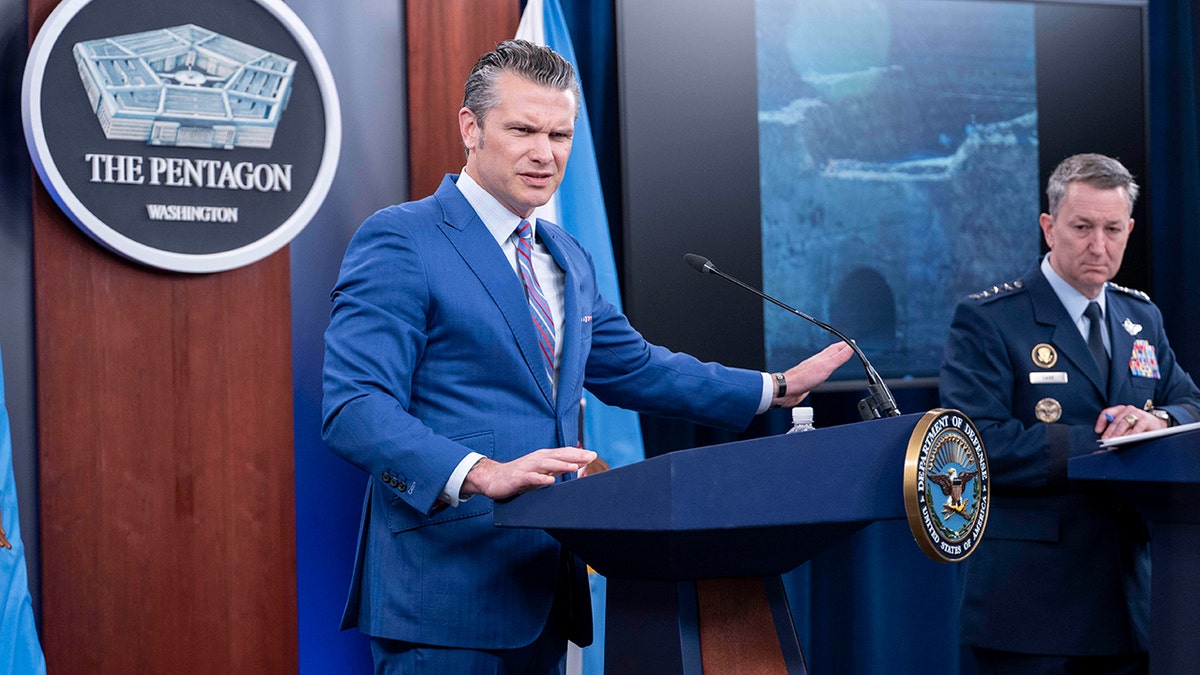
The irony is that the uniform itself is meant to erase division. Soldiers don’t wear blue or red. They wear camouflage — a literal blending of colors. It symbolizes unity of purpose, not uniformity of belief. That’s what Pat Ryan was defending when he told Pete Hegseth, point-blank, “Your tenure as Secretary of Defense has been shameful and weak, and you should resign.”
Whether Hegseth listens or not, the message landed where it needed to: with the public. Because protecting the military’s neutrality isn’t the job of generals alone — it’s the duty of every citizen who still believes in the principle that no one is above the oath.