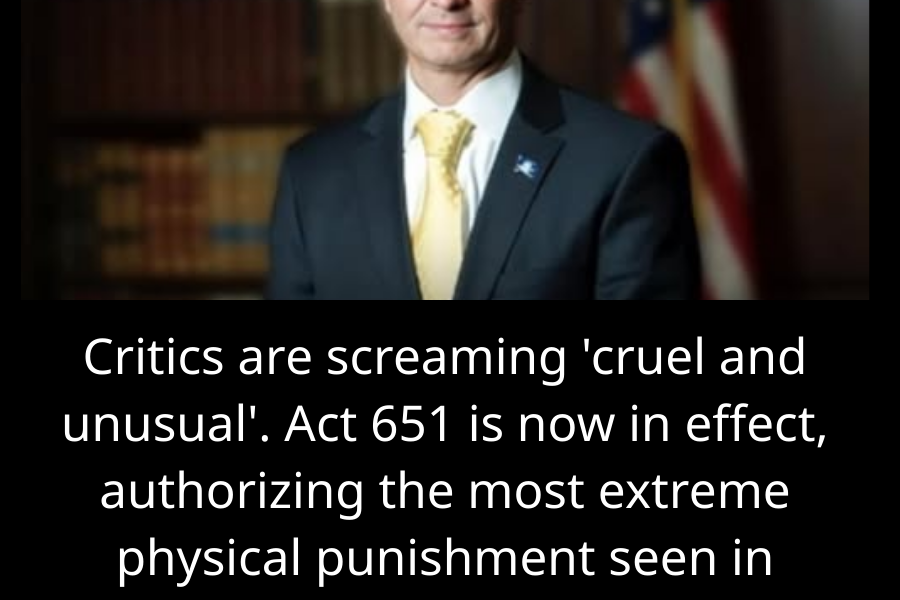
Louisiana’s enactment of the nation’s first law allowing judges to order surgical castration for certain severe child sex crimes marks a dramatic and controversial escalation in criminal sentencing. The law, signed by Governor Jeff Landry, pushes the boundaries of punishment and raises profound legal, ethical, and medical questions.
The Argument for the Law:
Proponents argue that for the most heinous crimes against the most vulnerable—children under 13—traditional prison sentences are insufficient for protecting society. They view surgical castration as a concrete, physical measure to prevent recidivism by reducing the biological drivers of sexual impulse, thereby offering a more permanent form of community safety.
The Significant Legal and Ethical Concerns:
Critics, including many legal and human rights organizations, contend the law is a clear violation of the U.S. Constitution’s Eighth Amendment protection against cruel and unusual punishment. The central ethical dilemma lies in the “choice” it presents: undergo irreversible, invasive surgery or face additional years in prison. This creates a coercive scenario that many argue nullifies the concept of true consent.
Furthermore, the medical community is deeply divided on the efficacy and ethics of such procedures, with major associations historically opposing forced or coerced surgical interventions.
This law is certain to face immediate and strenuous legal challenges that will likely reach the Supreme Court. Its enactment sets a precedent that will be watched closely by other states, igniting a national debate about the limits of punishment, the role of the state in bodily autonomy, and how society should confront its most disturbing crimes.