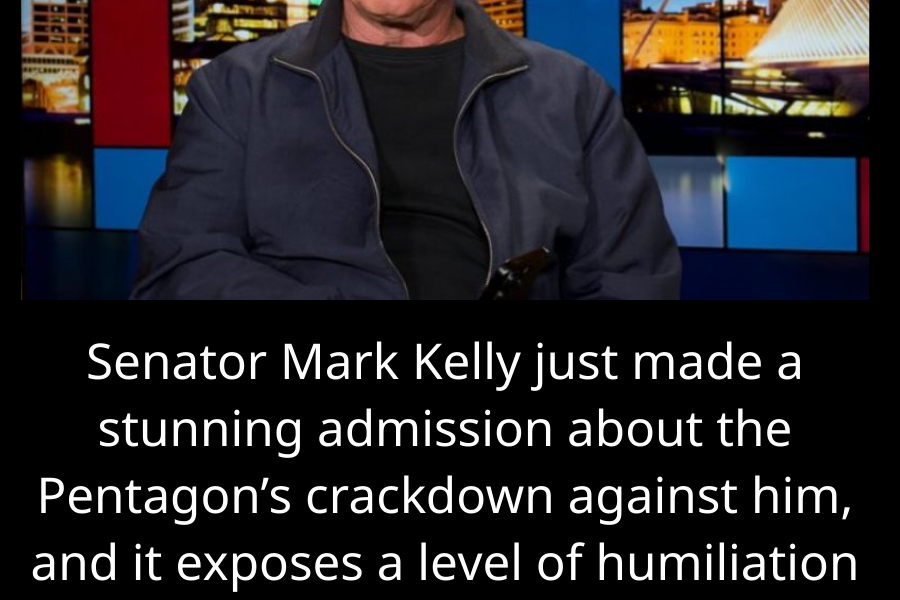
The political firestorm ignited by the “Seditious Six” video has escalated into an unprecedented constitutional crisis, with the Pentagon now taking the extraordinary step of launching disciplinary proceedings against Senator Mark Kelly. This move, targeting a sitting U.S. Senator and retired Navy Captain for potential court-martial, sends a shockwave through the very foundations of American civil-military relations.
The Pentagon’s justification—that Senator Kelly alone is subject to this action because he is the only “officially retired” member of the group—creates a perilous legal and political precedent. It effectively places every veteran in Congress on notice that their past service renders them subject to military discipline for their present political speech. Senator Kelly’s defiant response, framing the investigation as an attempt by “bullies” to silence him, sets the stage for a historic clash between legislative and military authority.
The context is everything. This investigation does not occur in a vacuum. It follows direct accusations from President Trump of “seditious conspiracy,” creating the appearance of a coordinated pressure campaign from both the executive branch and the military establishment against a political opponent. The furious defense from Senator Kelly’s colleagues, like Ruben Gallego, who decried the actions as “fascist” and akin to granting king-like power to the president, underscores the raw, high-stakes nature of this confrontation.
The underlying tension remains the video’s core message: instructing service members to disobey “illegal orders.” The Pentagon’s sharp rebuttal, reminding troops of their obligation to obey *lawful* orders, highlights the dangerous ambiguity at the heart of this debate. By investigating Kelly, the military is now directly intervening in this political dispute over what constitutes an “illegal” command from a sitting president.
This is no longer a war of words; it is a battle over the chain of command, the separation of powers, and the right of elected officials to speak to the military. The outcome will redefine the limits of political speech for the millions of Americans who have served their country and then chosen to serve in government.