The Steady Hand: How Prince William is Quietly Winning the War for the Monarchy’s Soul
In the relentless, noisy theater of modern royalty, where every gesture is a headline and every family rift is a global commodity, Prince William is executing a strategy so simple it’s genius: he’s doing his job. While his brother, Prince Harry, remains entangled in a cycle of public grievances, lucrative tell-alls, and political-style PR campaigns, the future King is embodying the one principle that ensured his grandmother’s reign lasted seventy years: unwavering duty.
The recent, tender moments from his interview with Eugene Levy at Windsor Castle were more than just a heartfelt tribute; they were a masterclass in statesmanship. By speaking of his grandmother’s enduring presence and his desire to show the castle “in a way she’d want you to see it,” William did something revolutionary in the age of oversharing—he connected with the public through reverence, not revelation. He isn’t selling his pain; he’s honoring a legacy. Windsor wasn’t just a home to the Queen; it was her sanctuary and her heart. In making himself the steward of that memory, William isn’t just the heir to the throne; he’s the heir to her profound, unspoken bond with the nation.

This quiet dedication stands in stark contrast to the “orchestrated campaign” seemingly emanating from the Sussex camp. The strategy is straight out of a political playbook: discredit the rival. Paint William as “angry” and “difficult” while positioning Harry as the “joyful, free-spirited” alternative. But the tactic is failing, and for a simple reason: the product doesn’t match the marketing. You cannot credibly frame yourself as the beacon of joy while your public identity is rooted in a decade-old ledger of complaints. The constant recirculation of “vague complaints about palace interference” feels less like a pursuit of truth and more like a desperate attempt to command headlines when tangible achievements are scarce.

The numbers tell the real story. Prince William’s popularity, particularly in the crucial American market, crosses political divides and eclipses that of most US political figures. This isn’t an accident. It is the direct result of a life built on substance, not spin.
While the Sussex brand chases the fleeting currency of Instagram promotions and forgettable podcast episodes, William’s work is foundational:
Mental Health: He pushed forward with the Heads Together campaign when, by his own admission, “not one celebrity wanted to join us,” demonstrating a commitment to a cause, not just its publicity.
Wildlife Conservation: His deep, long-standing work with United for Wildlife and the Tusk Trust, culminating in initiatives like ranger life insurance policies, shows a focus on impactful, granular change.
Global Innovation: The Earthshot Prize has positioned him as a genuine leader in the environmental space, championing solutions rather than just delivering speeches.
The most telling difference, however, lies in their response to adversity. The Princess of Wales’s cancer battle was met with a dignified silence from Kensington Palace, a “never complain, never explain” ethos that the Queen herself would have endorsed. Meanwhile, the Sussex operation often appears consumed with self-promotion, their vague mission to “show up, do good” looking increasingly hollow against William’s documented, grinding commitment to service.
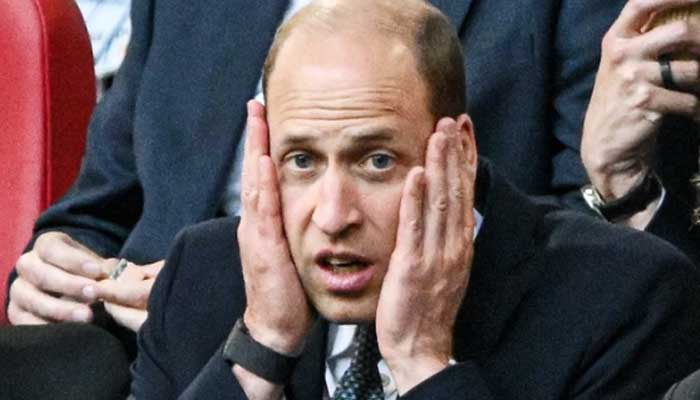
The Queen was reportedly “hurt beyond belief” by Harry’s departure from duty. One can only imagine her perspective now, watching one grandson leverage his birthright for brand deals while the other steadfastly shoulders the burden of the Crown with discipline, loyalty, and a quiet tenacity. Prince William isn’t just carrying on his grandmother’s legacy; he is proving that in a world of noise, the most powerful statement is still a life of consistent, quiet service. And in that, he is making her immensely proud.