Tyrus, the Trigger, and the Thin Line Between Rhetoric and Incitement
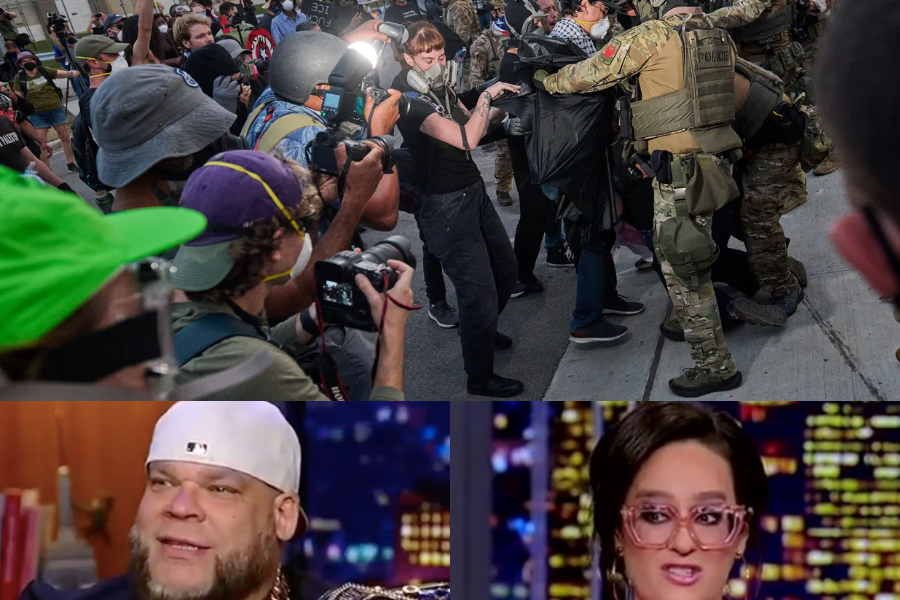
When Tyrus leaned into the microphone and suggested that officers “at some point… are going to have to defend themselves” — that a cop or ICE agent might have to “use lethal force” — it landed like a thrown gauntlet, not a throwaway joke. The studio laughed, applause swelled, and the moment moved on. But in the echo chamber of cable news, moments don’t disappear. They metastasize.
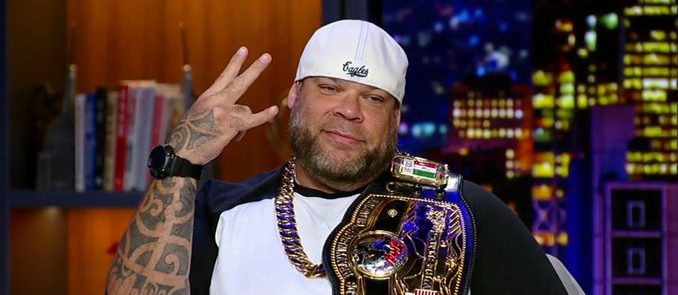
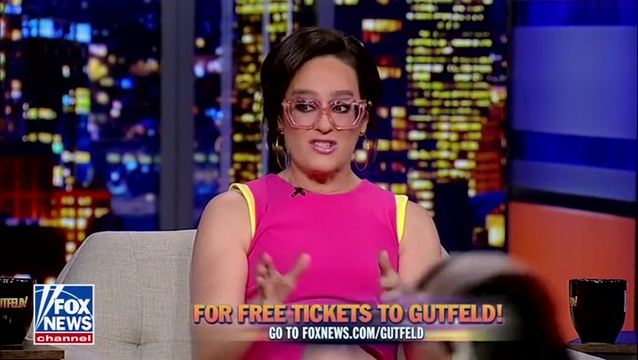
You can watch the clip and hear exactly how the exchange is staged: chest-thumping one-liners stitched to darker hypotheticals about agents being surrounded and “something bad is going to happen.” The segment plays on fear — of chaos, of leadership failure, of a system that will not protect its own — and it repackages that fear as a moral imperative to resist orders perceived as wrong.

Why does that matter? Because rhetoric like this has two jobs. On the surface it entertains: the host cues the laugh track, the crowd applauds, and a political identity is reinforced. Underneath it primes action. When media repeatedly frames a class of federal workers as endangered and betrayed by local leadership, it’s not far-fetched for individual officers to feel permission to “do what’s right” on their own terms.
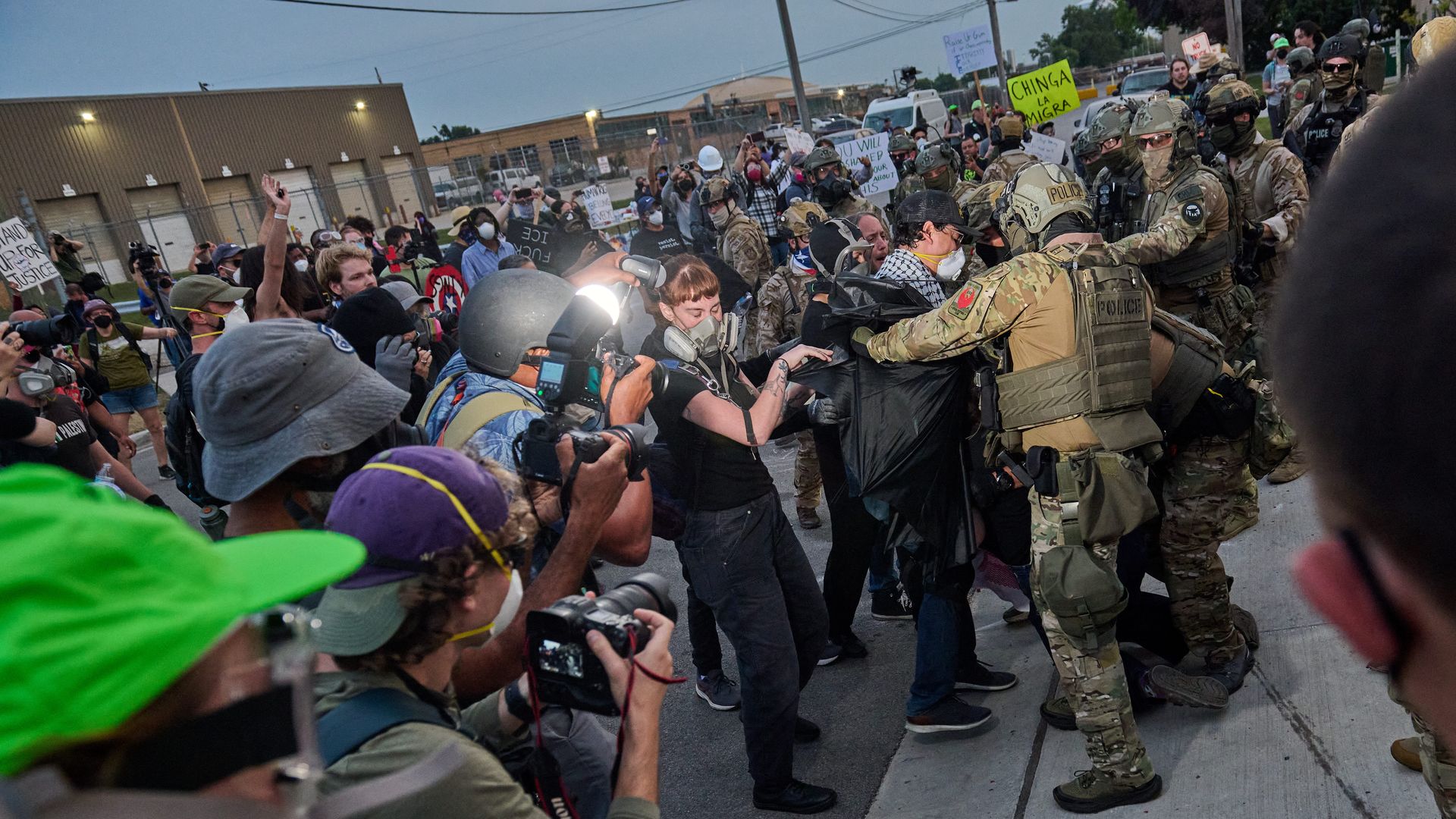
Complicating the issue is what was reportedly happening on the ground simultaneously. Audio and reporting around recent anti-ICE protests in Chicago — including claims that local officers were ordered not to assist federal agents under siege — created a real-world backdrop that made Tyrus’s hypothetical seem less hypothetical and more a call to arms for a beleaguered audience. That context is crucial: when talk radio and cable commentary coincide with street-level narratives of abandonment, the rhetorical temperature rises.
So — is this incitement to violence? Legally, American law draws a narrow but decisive line. The Brandenburg test recognizes that political advocacy is protected unless it is (1) directed to inciting imminent lawless action and (2) likely to produce such action. From a neutral standpoint, the clip deployed overheated metaphors and encouragement of “standing up” to perceived threats; but it did not, in plain terms, issue a timed, specific order — “go out tonight and attack X.” That lack of a concrete, immediate call weakens any legal case for criminal incitement. Still, legality and responsibility are not the same thing.
From a public-safety and ethical perspective, the segment is reckless. It normalizes the idea that obedience to lawful orders may be abandoned when a politician or pundit declares the moral stakes high enough. It also feeds a grievance economy: create a sense of existential threat, then offer defiant action as the antidote. That pattern has predictable consequences — escalation on the street, fractured command-and-control inside departments, and a greater chance that isolated acts of violence will be retroactively framed as heroic. The reporting about officers who felt “boxed in” and sources saying the police response was constrained only amplifies how dangerous this rhetoric can be when it meets friction in the real world.
Call it what you will — hyperbole, performative bravado, or political theater — the functional effect is the same. Words like “defend,” “lethal force,” and “won’t stand down” are scalar: they can be dialed down into metaphors, or dialed up into instructions when filtered through fear and resentment. The show didn’t hand out marching orders. But in a media landscape optimized for engagement, you don’t always need to give explicit instructions to move people. You just need to make them feel they have permission.

In short: the language sits in the gray zone — probably short of criminal incitement under current U.S. law, but close enough to be socially combustible. Responsible journalism would call it out, deconstruct it, and remind viewers there’s a difference between moral outrage and lawful action. What we saw instead was applause. And applause is a poor substitute for accountability when the stakes are lives.