The Phantom Tenants: How the Bureaucracy Lost Track of the Living and the Dead
The Audit That Read Like a Ghost Story
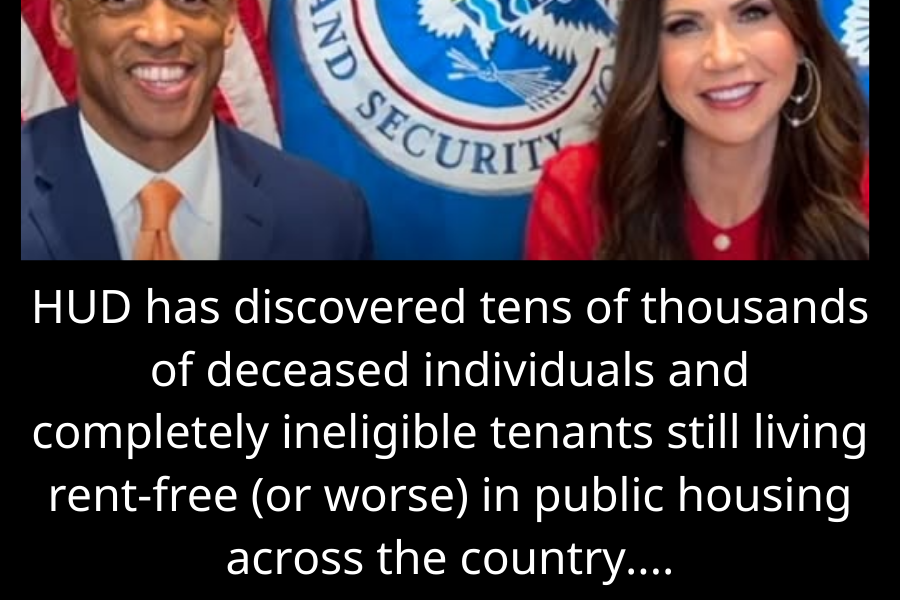
Let’s start with the number, because it’s a character in itself: tens of thousands. Not a dozen. Not a few hundred. Tens of thousands of units of publicly funded housing, across the nation, occupied by phantoms. The deceased, the ineligible, the non-citizens allegedly slipping through a safety net with holes you could drive a U-Haul through.
The image is almost gothic: a HUD database, a digital ledger of the American social contract, populated with ghosts. Deceased tenants whose units never turned over. Ineligible applicants who slipped past checks that either didn’t exist or were willfully ignored. It’s a revelation that feels less like a policy failure and more like a systemic haunting.
And the response from HUD Secretary Scott Turner was a sledgehammer, not a scalpel: a 30-day ultimatum to every housing authority in America to verify every tenant’s citizenship and eligibility. “We will leave no stone unturned,” he vowed, framing it as a righteous collaboration with DHS to execute the President’s agenda. The message was clear: The era of bureaucratic neglect is over. The purge is here.
But the public’s reaction in the comments—a mix of outrage, cynical humor, and genuine bafflement—asks the more profound questions Turner’s press release ignored: *How in the world did this happen? And what stops it from happening again after the 30-day spotlight fades?*
Dissecting the Haunting: How the System Became a Séance
This isn’t a simple story of “fraud.” It’s a complex autopsy of a dying system. The ghosts in the machine were summoned by a perfect storm of neglect, incentive, and ideology.
1. The Bureaucratic Rot: The most straightforward answer is also the most damning: abysmal data hygiene. As commenter Karen Harris Leece asked: “Why wasn’t this audited more frequently?” Many local housing authorities (HAs) operate with legacy software from the Reagan era, understaffed and overwhelmed. The death of a tenant might be reported, but updating a federal database is often low on a list of priorities that includes fixing broken boilers and evicting actual problem tenants. There’s no real-time link to the Social Security Death Master File. The system is paper-based, slow, and porous. A tenant dies; the family might quietly keep paying a subsidized rent (if any) to stay housed, or the unit simply goes into administrative limbo.
2. The Incentive to See No Evil: Federal funding for public housing is often tied to occupancy rates. An empty unit is a black mark on a housing authority’s balance sheet. There is a perverse, unspoken pressure to keep units “filled” on paper. A deceased tenant still counts as “occupied” until someone forces the issue. Furthermore, rigorously verifying citizenship and conducting frequent eligibility checks requires staff, time, and political will—resources that are perpetually scarce. It’s easier to let sleeping ghosts lie.
3. The Ideological Blind Spot: For decades, a dominant philosophy in some urban housing agencies prioritized minimizing “barriers” and “trauma” for vulnerable populations. Aggressive verification, constant eligibility checks, and collaboration with immigration authorities were viewed not as fiduciary responsibilities, but as hostile acts that would drive the neediest away from help. This created a culture where rigorous oversight was seen as contrary to the mission of compassion. The well-intentioned impulse to protect morphed into a systematic failure to audit.
4. The “Generational” Quagmire: As Juan Romero noted, public housing became “generational, not transitional.” Units become de facto family heirlooms. When a grandmother passes, her adult child or grandchild may have been living there unofficially for years. The HA, facing a nightmare of informal succession and potential homelessness, often looks the other way rather than initiate a complex, painful eviction. The unit becomes “ineligible” by the book, but ethically murky on the ground.
The 30-Day Purge: Solution or Spectacle?
Secretary Turner’s decree is a political earthquake. Its implementation will be a logistical nightmare.
-
The Burden on Local HAs: Underfunded, understaffed authorities now have one month to become immigration and vital records verification experts for every single tenant. The cost, the manpower, and the legal complexity are staggering. This will likely lead to a wave of hurried, error-prone verifications that could wrongly flag eligible tenants, particularly in mixed-status families where some members are eligible and others are not.
-
The Human Cost: The order casts a shadow of fear over every subsidized housing complex in America. For families with undocumented members, even if the leaseholder is a citizen, the knock on the door for “verification” is a prelude to potential family separation. Turner’s collaboration with DHS isn’t just about housing policy; it’s a direct pipeline from the housing office to deportation proceedings.
-
The Political Theater: The 30-day timeline is less about good governance and more about political theater—a dramatic “cleaning house” narrative. A thorough, fair audit and verification process would take months of planning, funding, and system upgrades. A 30-day edict creates the appearance of decisive action while setting the stage for either chaotic failure (which can be blamed on “corrupt local authorities”) or a dramatic tally of “ineligible persons removed” for the next campaign rally.
The Path Forward: Exorcising the Ghosts for Good
So, how do we ensure this never happens again? The answer isn’t just a one-time purge. It’s a systemic overhaul.
-
Modernize the Tombstones: Invest in a real-time, integrated federal database that links HUD, SSA, and DHS eligibility systems. Death reports and immigration status updates should ping housing authorities automatically. This requires funding and tech investment Congress has never been willing to provide.
-
Shift the Incentives: Decouple funding from simple occupancy rates. Reward HAs for high fidelity data management, successful transitions to private housing, and maintenance of tenant eligibility rolls. Make good stewardship profitable.
-
Clear, Compassionate, and Consistent Rules: Replace the culture of looking-the-other-way with clear, published protocols for succession, eligibility checks, and verification. This provides consistency for tenants and cover for staff. Compassion isn’t lawlessness; it can be structured.
-
Transparent, Regular Audits: Mandate and fund annual, third-party audits of a significant sample of tenants for every HA receiving federal funds. Not a political witch hunt every decade, but a routine check-up, like a financial audit.
The Verdict: A System Haunted by Its Own Neglect
The tens of thousands of “phantom tenants” are not just evidence of fraud. They are the specters of a broken covenant. They represent the failure of the public trust—a trust that taxpayers’ money is spent wisely, and that the truly needy are served effectively.
Secretary Turner’s 30-day order is a attempt to perform an exorcism with a bulldozer. It may clear some ghosts in the short term, but it risks terrifying the living, punishing the compliant, and doing nothing to fix the haunted house itself.
The real scandal isn’t that the ghosts got in. It’s that the keepers of the house stopped checking the doors, stopped updating the ledger, and forgot that their first duty is to the living, breathing reality of those they serve—and to the public that pays the bills. Cleaning house requires more than a sudden, sweeping eviction notice. It requires rebuilding the house from the foundation up.