The Gavel and The Streets: How a Court Ruling Redraws the Line Between Protest and Policing
The Ruling From the Eighth Circuit: Not a Whisper, a Thunderclap
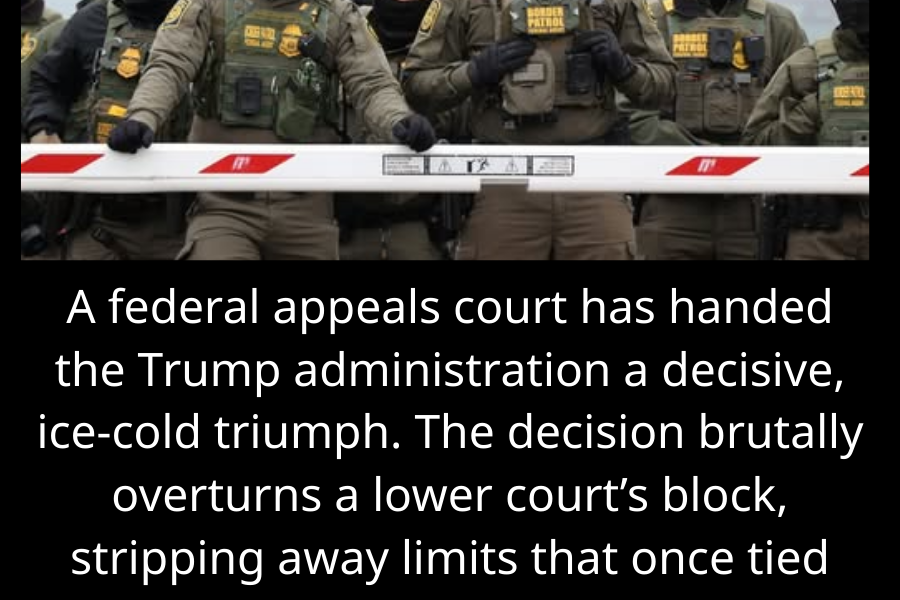
Let’s not mince words. This isn’t a procedural footnote. The 8th Circuit Court of Appeals didn’t just issue a ruling; it dropped a precedent on the powder keg that is Minneapolis. With the ink of this decision, a federal court has effectively declared open season on a new, more aggressive phase of immigration enforcement in America’s most tense urban laboratories.
The lower court’s injunction, crafted by U.S. District Judge Kate Menendez, was a shield. It attempted to carve out a zone of protected activity around ICE operations, invoking the bedrock American principles of the First Amendment (peaceful protest and observation) and the Fourth Amendment (protection from unreasonable seizure). It said, in essence: You can watch, you can chant, you can bear witness, and you cannot be pepper-sprayed, detained, or arrested for it without probable cause.
The Eighth Circuit, in a terse, powerful rebuke, lifted that shield. Their logic, as seen in the ruling and Attorney General Pam Bondi’s triumphant “FULL STAY” proclamation, reframes the entire battlefield. The “wide range of conduct” by protesters, “some of it peaceful but much of it not,” in the court’s view, justified unshackling federal agents. The message is stark: In the chaos of the street, the presumption of restraint now tilts toward force.
The Anatomy of an “ICE Cold Victory”
This ruling is a masterclass in political-legal warfare. It’s not merely about legal procedure; it’s about narrative, power, and the redefinition of the playing field.
1. The Reframing of the Protester: In the Trump administration’s legal argument and the court’s acceptance, the term “peaceful observer” is submerged by the more potent label: “anti-ICE agitator.” The word “agitator” does heavy lifting. It conjures images of instigators, of violence waiting to erupt. It transforms a constitutional act of assembly into a public safety threat that demands a preemptive, robust response. This semantic shift is the entire ballgame. It moves the debate from rights to riot control.
2. The Dismantling of “Probable Cause” as a Street-Level Check: The heart of the overturned injunction was its requirement for probable cause before arrests or uses of force against protesters. The Eighth Circuit’s stay effectively argues that in the dynamic, volatile environment of a confrontation, requiring agents to meet that standard in real-time is impractical and dangerous. It grants a presumption of operational necessity to the agents. The burden of proof subtly shifts from the government justifying its actions to the protester proving their innocence after the fact.
3. The “Safety” Gambit: Bondi’s statement is the perfect political encapsulation: “Liberal judges tried to handcuff our federal law enforcement officers… and put their safety at risk.” This is an emotionally irresistible argument. It pits the safety of government agents against the rights of citizens, framing any judicial restraint as a betrayal of the people who “protect us.” It ignores the foundational American principle that the safety of the state’s agents is secured within the bounds of the Constitution, not by standing outside it.
4. The Minnesota Laboratory: This isn’t happening in a vacuum. Minneapolis is now the national test case for the limits of federal enforcement power against progressive, municipal resistance. With a Democratic governor and mayor pleading for cooperation (as highlighted by the Obamas), and a federal apparatus empowered by this ruling to operate with fewer restraints, the city becomes a petri dish for federalism in crisis. The “Operation Metro Surge” tactics, now legally insulated, will define the new normal.
The Chilling Effect: What “ICE Cold” Really Feels Like
The term “victory” in the headline is one-sided. For communities and activists, the chill is literal and political.
-
The End of Bearing Witness: The core tactic of groups like immigration advocates is observation—the simple, powerful act of filming, of being a visible community presence to ensure accountability. This ruling makes that act inherently riskier. If an agent claims a gathering observer “agitated” a scene, the legal protections have just been dramatically weakened.
-
The Escalation Spiral: Unrestrained force often begets more violent resistance. By lowering the threshold for a federal response, the court may not be quelling conflict but incentivizing its escalation. Each side will now operate with a heightened sense of justification and peril.
-
The Legal Green Light: This ruling is a signal to ICE field offices nationwide. The tactics tested and legally defended in Minneapolis can be replicated elsewhere. It is a blueprint for confrontational enforcement in sanctuary cities and resistant communities.
The Unanswered Constitutional Scream
Beneath the legal maneuvering, a fundamental question screams from Judge Menendez’s overturned order: Can the government, in the course of enforcing one law, suspend the constitutional rights that allow citizens to question that very enforcement?
The Eighth Circuit, in its practical focus on officer safety and chaotic scenes, has offered a provisional, grim answer: In the moment, yes. Sort it out later in court.
This creates a two-tiered system of rights: those you exercise in a park or a permitted march, and those you attempt to exercise in the path of a federal immigration operation. The latter just became a far more dangerous proposition.
The Verdict: A New Frontier of Conflict
The “ICE Cold Victory” is more than a court win. It is the judicial ratification of a paramilitary style of domestic governance. It marks a move away from policing as a peace-keeping function bound by strict civil liberties, toward enforcement as a mission-oriented operation where dissent is framed as an operational impediment.
Minneapolis will now write the next chapter. Every confrontation will be a live test of this new boundary. Every video of a pepper-sprayed observer will be both evidence for a future lawsuit and a potential exhibit in the court of public opinion.
The gavel has fallen. The street, now less protected, awaits the echo. The cold isn’t just in the Minnesota air; it’s in the new space between the government’s power and the people’s right to stand in its way and say, “We are watching.” That space just got a lot wider, and a lot more dangerous.